A mortar and pestle is a simple but versatile tool for crushing and blending dried herbs, spices and other suitable ingredients. A natural stone set can be both a practical accessory and a beautiful part of a mindful home ritual. This guide explains how to use a mortar and pestle, how to choose the right material, how to care for it and why culinary use differs from preparing ritual blends.
What is a mortar and pestle?
The mortar is a sturdy bowl in which ingredients are crushed. The pestle is the handheld tool used to press and grind them against the bowl’s inner surface. Unlike a bladed chopper, a mortar lets you work gradually with small quantities and control the texture, from a coarse blend to a finer powder.
Mortars have long been used in different food cultures to process spices, seeds and herbs. In spiritual practice, the same movement can become a mindful preparation: before making a herb or incense blend, you may take a moment to set an intention. The tool itself does not determine the ritual’s meaning; the person using it does.
How to use a mortar and pestle: step by step
1. Choose suitable ingredients and start small
Begin with clean, dry and clearly identified herbs or spices. Do not fill the mortar to the rim: smaller amounts are easier to grind evenly. Avoid unknown, toxic or strongly irritating plants.
2. Press gently before grinding
Place the mortar on a stable surface and gently press the ingredients with the pestle. Then use slow circular grinding motions. Avoid striking the rim hard, as this can damage the tool or the surface underneath it.
3. Check the texture
For a dried-herb blend, larger flakes may be exactly what you want. A spice blend may call for a finer texture. There is no need to reduce everything to powder in one attempt; add another small batch once the first is ready.
4. Transfer and label the mixture
Use a clean spoon or brush to transfer the mixture to a suitable container. Label anything you plan to store. Never mix edible and non-edible materials, and consider keeping separate tools for different purposes.
Stone, wood or ceramic: which mortar and pestle should you choose?
A stone mortar is usually heavy and stable. A slightly textured interior helps grind dry ingredients, although natural stone may be porous and need more careful cleaning depending on its finish. A wooden mortar is lighter and pleasant to hold but can absorb odours and moisture. A ceramic mortar often has a smooth finish and suits smaller batches, while its more delicate material requires care.
Ask yourself whether you mainly want to work with dried herbs, kitchen spices or ritual materials. Do you need a substantial, stable bowl or a small tool that is easy to store? Material and size matter more than appearance alone.
What makes a river stone mortar special?
Kuutaro offers a large natural river stone mortar and pestle, approximately 15 × 12 cm. Its colour, shape and texture vary from piece to piece, making each set distinctive. The Estonian product description presents it as a tool for crushing herbs, plants and other natural ingredients, as well as preparing ritual mixtures.
If you intend to use any natural stone mortar for food, first confirm with the manufacturer or seller that the specific item and surface finish are suitable for food contact. A decorative or ritual tool should not automatically be assumed to be food-safe.
Using a mortar and pestle in rituals
For a simple ritual, choose one or two dried plants that have personal meaning and grind them slowly. Some people use the process to begin a meditation: with each circular motion, they return their attention to breathing and intention. This can support focus and a more mindful moment.
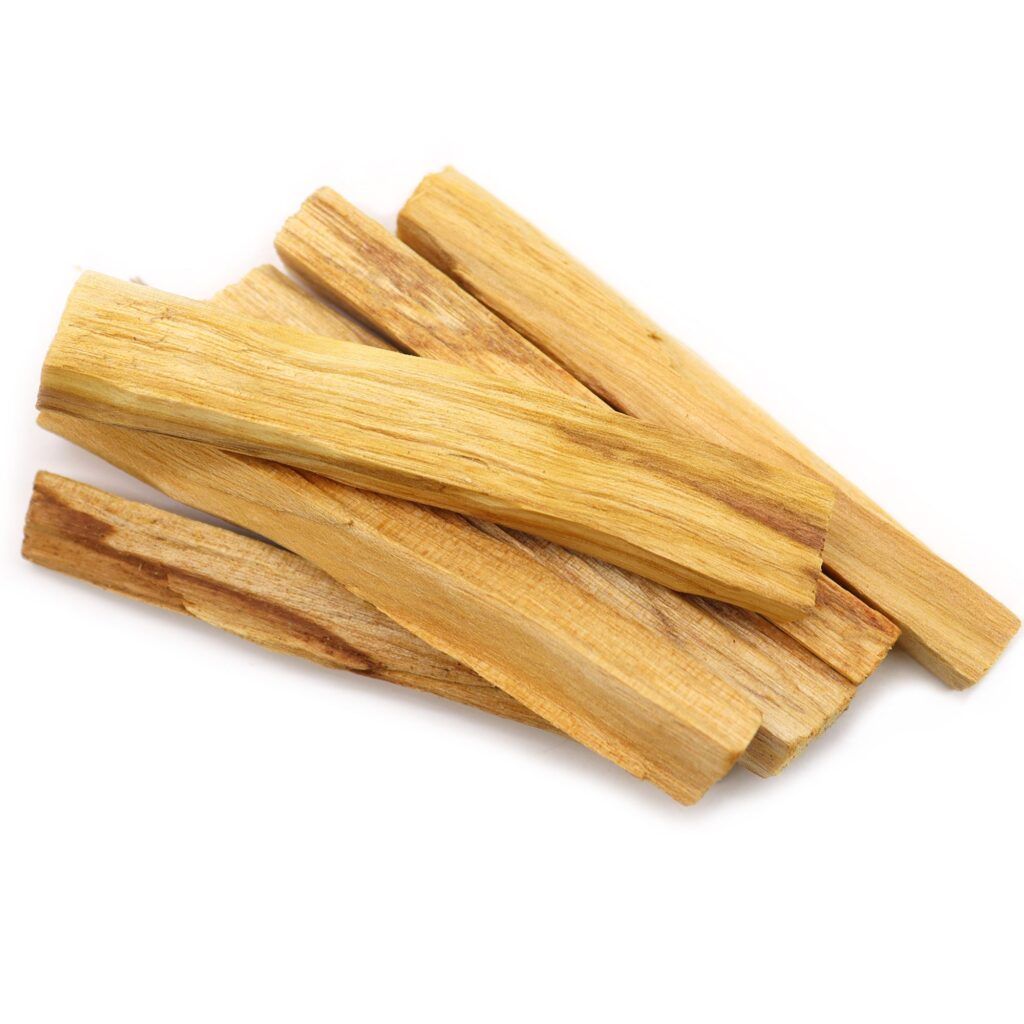
Interested in aromatic traditions? Explore Kuutaro’s guides to incense and sacred plants, white sage and Palo Santo. For a symbolic fresh start, you might also enjoy the Rose of Jericho ritual ideas.
Not every dried plant is suitable for burning, inhaling or eating. Only use ingredients appropriate to the intended purpose, and never leave burning materials unattended. A mortar is equally useful for non-burning blends, such as a decorative bowl of aromatic botanicals.
How to clean and care for a stone mortar and pestle
Before first use, remove any manufacturing or transport dust in line with the item’s care instructions. After use, brush or wipe away dry residue. If the material and finish permit washing, use lukewarm water, a mild cleaner if needed, and dry thoroughly. Avoid soaking porous natural stone for extended periods.
Avoid sudden temperature changes, strong acids and abrasive cleaners unless the manufacturer specifically recommends them. Store the mortar somewhere dry. If you grind strongly scented, non-edible herbs or ritual materials, keep a dedicated set so residues do not contaminate food.
Frequently asked questions
Can I use a mortar and pestle to prepare incense blends?
Yes, a mortar can help break down suitable dried botanical ingredients. Check the safe intended use of each ingredient; not every plant or mixture is suitable for burning.
Does a stone mortar need to be perfectly smooth?
No. A slightly rough interior can help grind dry ingredients. However, the surface should not shed loose stone particles. Do not use a damaged or crumbling tool.
Can I use the same mortar for cooking and rituals?
Separate tools are the better choice, especially when ritual blends contain non-edible, strongly scented or unidentified materials.
Is a large mortar better than a small one?
A larger mortar is generally more stable and holds more material, but it takes up more space. A small one is useful for individual ingredients and small batches.
Explore natural ritual tools at Kuutaro
If you appreciate natural materials and want a practical tool for dried herbs or mindful rituals, explore the Kuutaro river stone mortar and pestle. Discover more useful accessories in the Ritual Tools collection. Choose according to what you actually want to prepare, so your new tool becomes a useful part of everyday life.