A djembe drum is a hand-played percussion instrument rooted in the musical traditions of Guinea and Mali. It produces deep bass notes, clear open tones and bright rhythmic accents. You can start learning simple patterns without reading music, yet the instrument offers expressive possibilities for experienced players too. This guide covers the first strokes, a beginner rhythm and how to choose a suitable size.
What Is a Djembe Drum and Where Does It Come From?
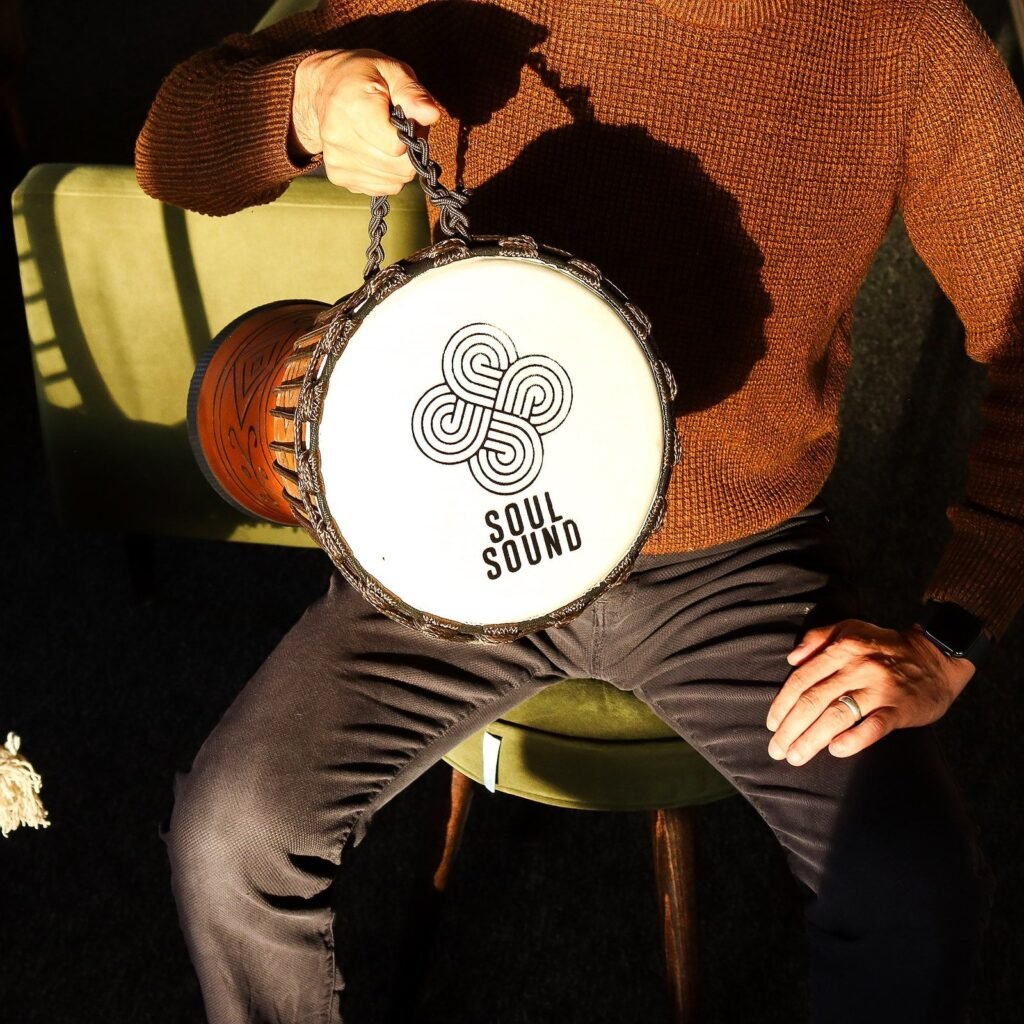
The djembe, also spelled jembe, is a single-headed drum, typically with a goblet-shaped body. Traditional examples have a wooden shell and a stretched skin head, although contemporary construction varies. Players strike the drum with their hands rather than sticks.
Its heritage belongs to the Mandé cultural region and its distinctive music, dance and community traditions. A djembe is not simply a generic name for every African drum. The Metropolitan Museum of Art’s Malinke jembe record explores the instrument’s cultural context and traditional craftsmanship. A second museum jembe illustrates regional differences in size and use.
How to Play a Djembe: Three Essential Sounds
The sound changes depending on where and how your hand touches the drumhead. Beginners can start with three contrasting strokes.
Bass: Deep and Rounded
Strike the centre of the drumhead with an open, relaxed palm, then let your hand rebound immediately. This allows the drum to resonate. The bass provides the foundation for a rhythm.
Tone: Clear and Open
Keep your fingers together and strike closer to the edge without leaving your hand resting on the head. A good tone rings clearly rather than sounding muffled. Compare it with your bass stroke.
Slap: A Bright Accent
The slap is a higher, sharper accent near the edge of the drumhead. Begin gently and focus on a relaxed wrist rather than force. The technique develops with practice; hitting harder is not a substitute for control.
Your First Djembe Rhythm: A Five-Minute Practice
- Minute one: play eight slow bass strokes, alternating right and left hands.
- Minute two: play eight open tones, listening for consistent sound.
- Minute three: alternate bass and tone: bass – tone – bass – tone.
- Minute four: try a four-count pattern: bass – tone – tone – rest. Repeat at an easy pace.
- Minute five: add a gentle slap if comfortable while keeping a steady beat.
At first, a consistent pulse matters more than speed. Count “one-two-three-four” aloud or practise with a metronome. Playing with a friend is another way to explore rhythm: one person keeps the foundation while the other responds.
Which Djembe Drum Should You Choose? Size and Purpose
Think about where you will play, how often you will carry the instrument and the sound you want. A larger shell generally has more room for low bass resonance, but the final tone also depends on head tension, shell shape and materials. A smaller drum is easier to transport.
A Small 15 cm Djembe: A Compact Introduction
A miniature djembe can be a desk-sized instrument, a gift or an introduction to rhythm. Do not expect the same deep bass as a full-sized drum. See Kuutaro’s 15 cm handmade djembe.
A 30 cm Djembe: Portable and Easy to Handle
For home practice or a small group, a 30 cm instrument can offer a useful balance between portability and playing surface. Explore the 30 cm handmade wide-top djembe.
A 50 cm Djembe: More Room for a Full Playing Experience
A larger shell generally gives more room to distinguish bass, tone and slap. If you plan to practise a wider range of strokes or play with other instruments, consider the large 50 cm djembe. Compare dimensions and photographs on the product page before choosing.
Djembe vs Steel Tongue Drum vs Rainstick
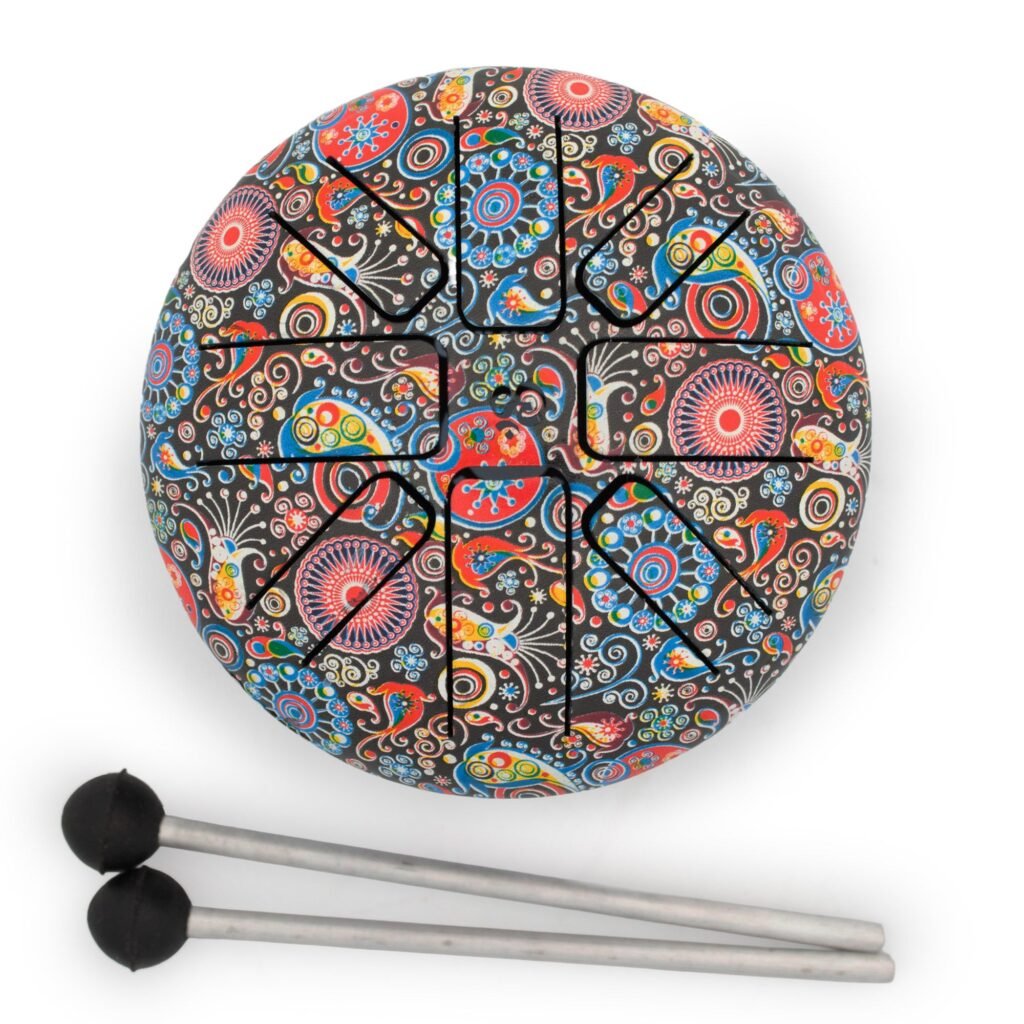
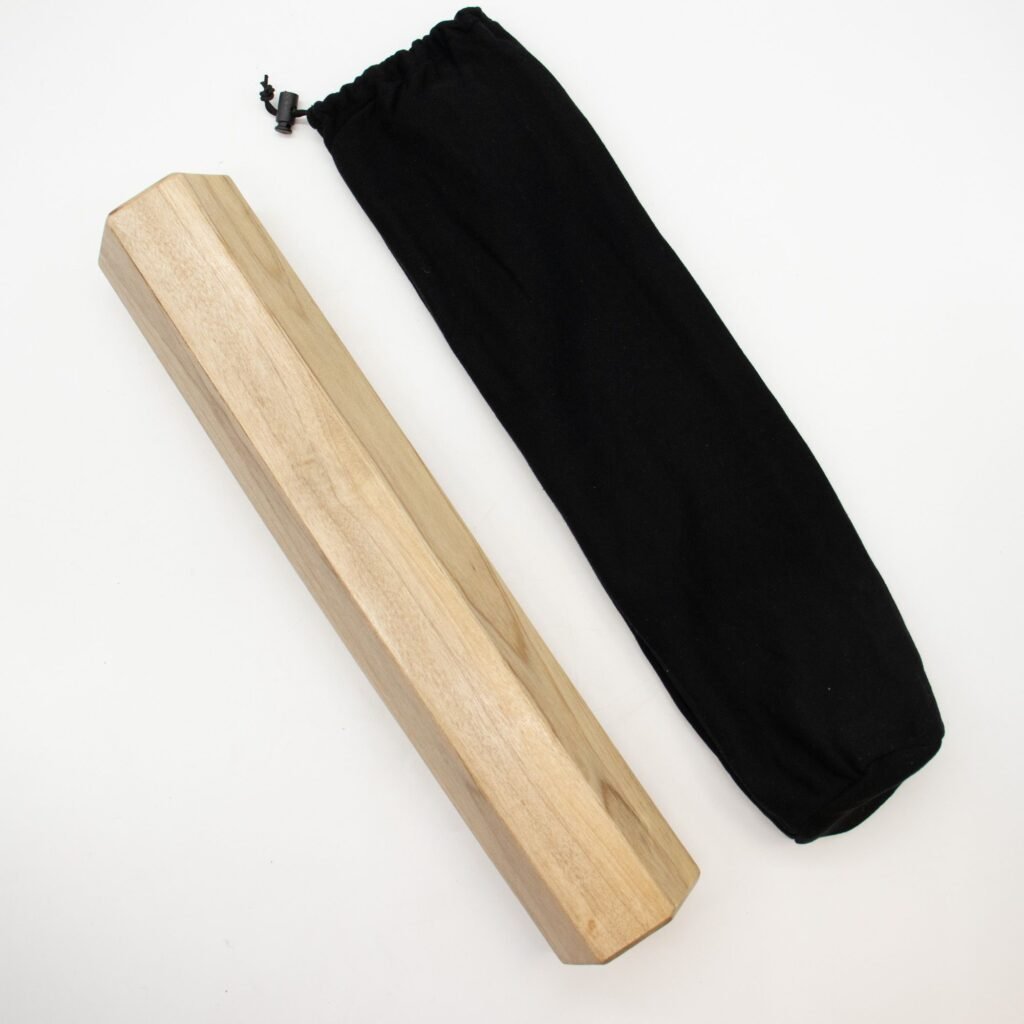
A djembe is a rhythm instrument: you create sound with your hands and build patterns and group grooves. A steel tongue drum is a melodic metal percussion instrument with tuned tongues that produce particular notes. A rainstick creates a flowing, rain-like sound when turned.
If you prefer gentle melodies, read our steel tongue drum guide. For atmospheric sounds, explore the rainstick guide. All three belong to Kuutaro’s Music & Sound collection.
How to Store and Care for Your Djembe
Keep the drum in a dry room with a moderate, stable temperature, away from rapid changes in humidity or heat. If your instrument has a natural skin head, moisture can affect its tension and pitch. After playing, gently wipe the shell and head with a soft, dry cloth when needed. Avoid leaving the instrument in direct sunlight or next to a radiator for long periods.
If the drum needs retuning or its skin needs tightening, follow the instructions for that model. Rope-tuned instruments may require help from an experienced drum technician. Protect the head from impacts and rubbing when transporting it.
Frequently Asked Questions About Djembe Drums
Do I Need to Read Music to Play Djembe?
No. You can learn your first rhythms through listening, repetition and simple four-beat patterns.
Is a Djembe Suitable for a Child or Complete Beginner?
Yes. A suitably sized djembe can be a rewarding first percussion instrument. A smaller drum may be easier to hold, while a larger one offers more playing surface. For children, consider hand size and a comfortable playing position.
Do You Play a Djembe with Drumsticks?
Traditional djembe playing uses the hands. You do not need sticks for bass, tone or slap strokes.
Is a Bigger Djembe Always Better?
No. A larger drum may provide deeper bass, but a smaller one is easier to carry and may suit some beginners better. Choose according to how you plan to use it, not just its height.
Can I Use a Djembe for Meditation or a Drum Circle?
Yes. A steady repeating rhythm can create a focused atmosphere and encourage shared music-making. Above all, the djembe is a musical instrument, and each player can find their own personal connection to it.
Find Your Djembe at Kuutaro
Ready to try your first bass stroke or looking for an instrument for a drum circle? Compare the compact 15 cm, versatile 30 cm and larger 50 cm djembe. Choose the size, design and playing feel that best suit you.