Frankincense incense has a deep, resinous and gently spicy scent associated with sacred spaces, quiet reflection and ceremonial moments. Today, many people use it at home to create atmosphere, mark the beginning of meditation or journalling, or make the transition from a busy day to a calmer evening. This guide explains what frankincense is, how incense sticks differ from pure resin, how to burn a stick safely and when another fragrance may suit you better.
What is frankincense resin?
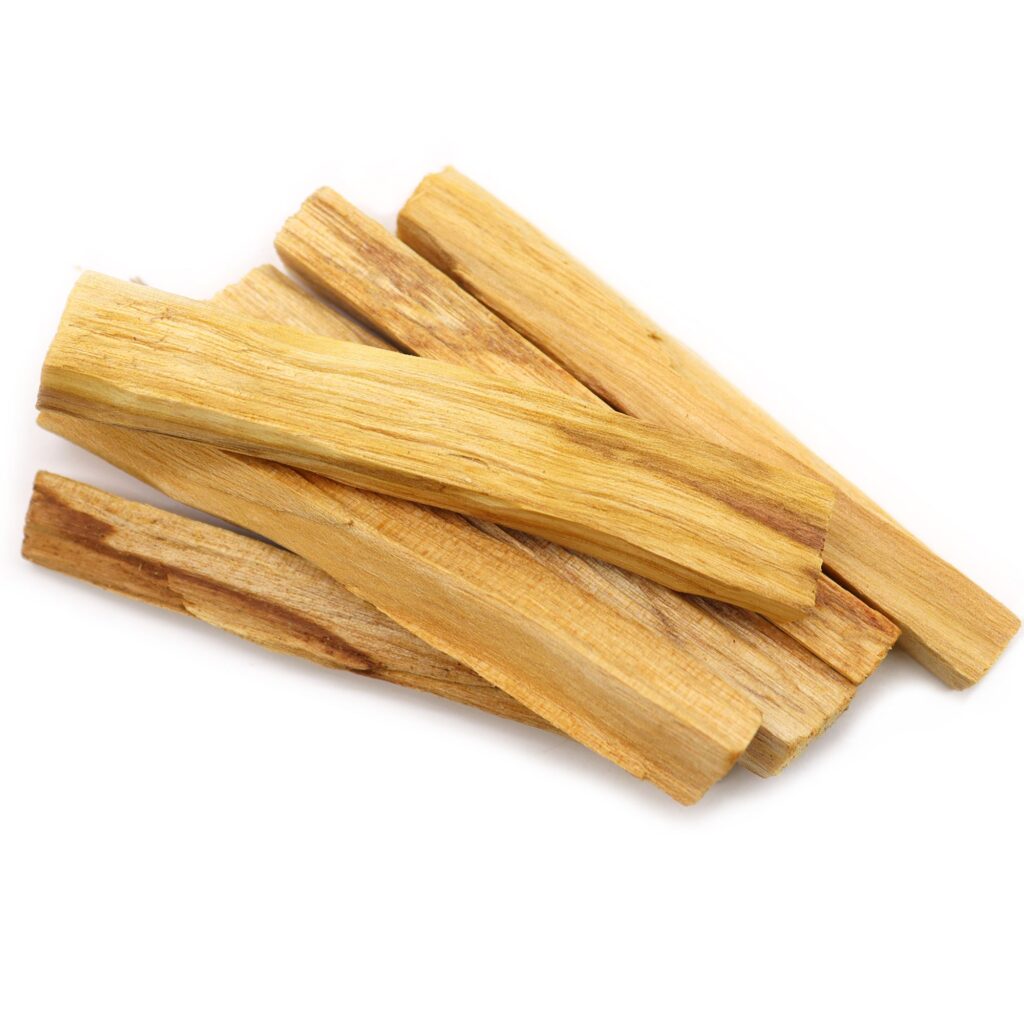
Frankincense, also known as olibanum, is an aromatic resin collected from trees in the Boswellia genus. Small cuts are made in the bark, and the sap that emerges dries into resin tears. These pieces have been burned for fragrance and used in perfumery for centuries. Frankincense trees are especially associated with arid regions of the Arabian Peninsula, the Horn of Africa and South Asia.
It is important to distinguish pure resin from a frankincense-scented incense stick. Loose resin normally requires a heatproof vessel and charcoal or a purpose-made resin burner. An incense stick is already prepared on a combustible carrier: light the tip, extinguish the flame and place the glowing stick in a suitable holder. Kuutaro’s Tribal Soul Frankincense Incense is a stick incense rather than a packet of loose resin tears.
What does frankincense incense smell like?
Frankincense is often described as resinous, woody, warm and slightly citrusy or balsamic. The exact fragrance of a stick depends on its formula, however, because a finished incense may also contain a botanical base, binders and complementary aromatic ingredients. Two frankincense products can therefore smell noticeably different.
This scent often appeals to people who prefer a dry, contemplative and ceremonial character to sweeter floral or fruity aromas. If you are sensitive to fragrance, begin with a short burn and ventilate the room. An incense stick does not need to burn all the way down to make its presence felt.
Historical and symbolic background
Frankincense resin was a valuable commodity in the ancient world and travelled along trade routes connecting Arabia, Africa and the Mediterranean. It was used in the ceremonies of several religions, in temples and in domestic fragrance practices. Because smoke visibly rises, it became a symbol of prayer, respect, transition and the setting apart of sacred space in many traditions.
A modern home practice does not need to copy a historical rite. You can use frankincense incense simply as a marker for a conscious pause: light a stick, set a timer, sit quietly and write down the thoughts that matter. This is a symbolic practice and does not require a belief in supernatural effects.
How to burn an incense stick correctly
1. Choose a safe location and holder
Place the holder on a stable, heat-resistant and non-flammable surface. It should catch the full length of falling ash. Keep it away from curtains, paper, dried plants, shelves and open windows where a draught could scatter embers. If you need a holder, consider the aluminium lotus incense holder.
2. Light the tip and extinguish the flame
Hold a flame to the tip of the stick for several seconds. Once the tip catches, gently blow out the flame. It should remain glowing and release a thin trail of smoke. If the stick goes out immediately, relight it; if a large flame remains, extinguish it before placing the stick in the holder.
3. Let the fragrance disperse gently
Use incense in a well-ventilated room and in moderation. There is no need to wave smoke towards yourself or inhale deeply above the stick. Once the room has enough fragrance, extinguish the stick by pressing the glowing tip carefully into sand or another fireproof material.
Four simple ways to use frankincense incense
Beginning meditation or quiet sitting
Light the incense a few minutes before you sit, ventilate as needed and choose one simple focus: your breathing, ambient sounds or physical sensations. The fragrance acts as an environmental cue that helps mark the move from ordinary activity into a quieter rhythm.
Journalling or a tarot reflection
Incense can mark the start and finish of a reflective practice. Write down a question, draw a card or note what you have observed during the day, then finish with one practical next step. If you use tarot, approach the cards as a tool for reflection rather than a guarantee of an unavoidable future. For physical and symbolic card care, see How to Cleanse and Store Tarot Cards.
An evening transition
After work, a brief fragrance ritual can signal that the pace of the day is changing. Put screens aside, light incense in a safe position and spend five minutes on a calm activity. Incense is not a sleep aid or medical treatment; it is one element of an intentionally arranged environment.
Creating a considered atmosphere at home
Use incense after ordinary cleaning, not instead of it. Open a window before or after burning and work with one room at a time. To compare several aromatic tools, read the guide to spiritual home cleansing rituals, which treats them as symbolic practices rather than substitutes for physical cleaning or healthcare.
Safety: what to remember when burning incense
- Never leave burning or glowing incense unattended.
- Keep it away from children, pets, curtains and other flammable materials.
- Use a stable, heat-resistant holder that catches all falling ash.
- Ventilate the room and avoid excessive smoke; more smoke does not create a better result.
- If the smoke irritates your eyes, throat or breathing, extinguish it and move into fresh air.
- If you are pregnant or have asthma, allergies or another respiratory condition, ask a healthcare professional before regular use or choose a smoke-free way to add fragrance.
- Make sure the stick is completely extinguished before disposing of ash or leaving the room.
How should incense sticks be stored?
Keep sticks in a cool, dry place away from direct sunlight. A closed box or drawer helps prevent different fragrances from mixing when you own several kinds of incense. Moisture can make a stick difficult to light, while heat and sunlight may weaken the scent. Store incense separately from food and out of reach of children and animals.
Frankincense or another incense: how to choose
Choose frankincense if you want a resinous, woody and ceremonial fragrance. Sandalwood tends to feel softer and creamier, lavender more herbal and floral, and cinnamon warmer and sweeter. A scent description gives you a useful direction, but the real experience also depends on the formula and the size of your room. Keep the first burn short while you learn how the product behaves in your space.
Browse more options in the Sacred Plants & Incense category. For a broader comparison, read Incense & Sacred Plants – How to Choose What to Use, and for holders see the Incense Holder Guide.
Frequently asked questions
Are frankincense and olibanum the same?
Yes. Both names refer to the aromatic resin obtained from frankincense trees. In stick incense, its fragrance forms part of a prepared aromatic blend.
Must an incense stick burn all the way down?
No. When you have enough fragrance, extinguish the glowing end in a fireproof material. Check that it is no longer smouldering.
Does frankincense incense clean the air?
Incense produces smoke and does not replace ventilation, cleaning or an air purifier. In ritual language, “cleansing” is symbolic. Open a window when you want to improve physical air quality.
Which holder is suitable for stick incense?
Choose a holder with an opening that supports the stick securely and a surface long enough to catch all the ash. It must be heat-resistant and stand firmly on a stable surface.
Create a calm and safe fragrance ritual
The appeal of frankincense incense lies in its distinctive resinous aroma and its ability to mark a conscious pause. Choose a suitable holder, use a modest amount, ventilate the room and never leave a glowing stick unattended. If a warm, woody and contemplative scent appeals to you, explore Tribal Soul Frankincense Incense at Kuutaro.