Was Tiina in August Kitzberg’s Libahunt a witch? Did witches tell fortunes? And why might people search for “witch Tiina” or “fortune teller Tiina”? These questions connect Estonian literature, folk belief and contemporary tarot. An essential distinction comes first: the fictional Tiina is not a modern fortune teller who happens to share her name.
Who was Tiina in August Kitzberg’s The Werewolf?
August Kitzberg’s five-act play Libahunt (The Werewolf) premiered in 1911 and was published in 1912. It follows Tiina, Margus and Mari through a conflict involving love, trust and social pressure. Tiina is an independent young woman whose origins and refusal to conform make her a target of suspicion.
Her mother is associated with accusations of witchcraft, and Tiina herself is suspected of being a werewolf. That does not mean the play proves she has supernatural powers. Instead, it asks how fear, gossip and exclusion shape a person’s fate. The original Estonian text is available online; the University of Tartu’s writers’ dictionary provides historical context.
Was Tiina really a witch or a werewolf?
One of the play’s central questions is who has the power to label another person a witch. Tiina’s difference is treated as threatening, while the accusations reflect the community’s beliefs and fears. Literary interpretations also see her as a figure of freedom and independence.
Kitzberg’s Tiina is a fictional character. The play draws on folklore, but it is not evidence for the life of an actual psychic or fortune teller.
“Fortune teller Tiina” and “witch Tiina”: are they the same person?
Not necessarily. Someone searching for “fortune teller Tiina” may be looking for a real practitioner, while “witch Tiina” can refer to Kitzberg’s literary character. Combining them into one biography would be misleading. If you are trying to find a particular practitioner named Tiina, check their official service details and contact information. This article focuses on literature and divination traditions.
Witches in Estonian folklore
The word “witch” did not always refer to one clearly defined role. Some folk narratives portrayed a feared person believed to cause harm; others described a wise person consulted for healing, customs or charms. Witches, wise people, healers and diviners could overlap in stories, but the labels are not identical.
Folklore used witchcraft to explain illness, misfortune, animal behavior or unsettling events. These narratives reveal historical beliefs and social relationships, not verified supernatural powers. This distinction is especially useful when reading Libahunt.
Did witches predict the future?
Traditional practices associated with foretelling included dream interpretation, reading signs, seasonal customs and, in later periods, card reading. Not everyone accused of witchcraft was a diviner, and not every diviner was called a witch.
For a wider historical view, read Kuutaro’s history of divination and our guide to dream meanings.
From folk card readers to modern tarot guidance
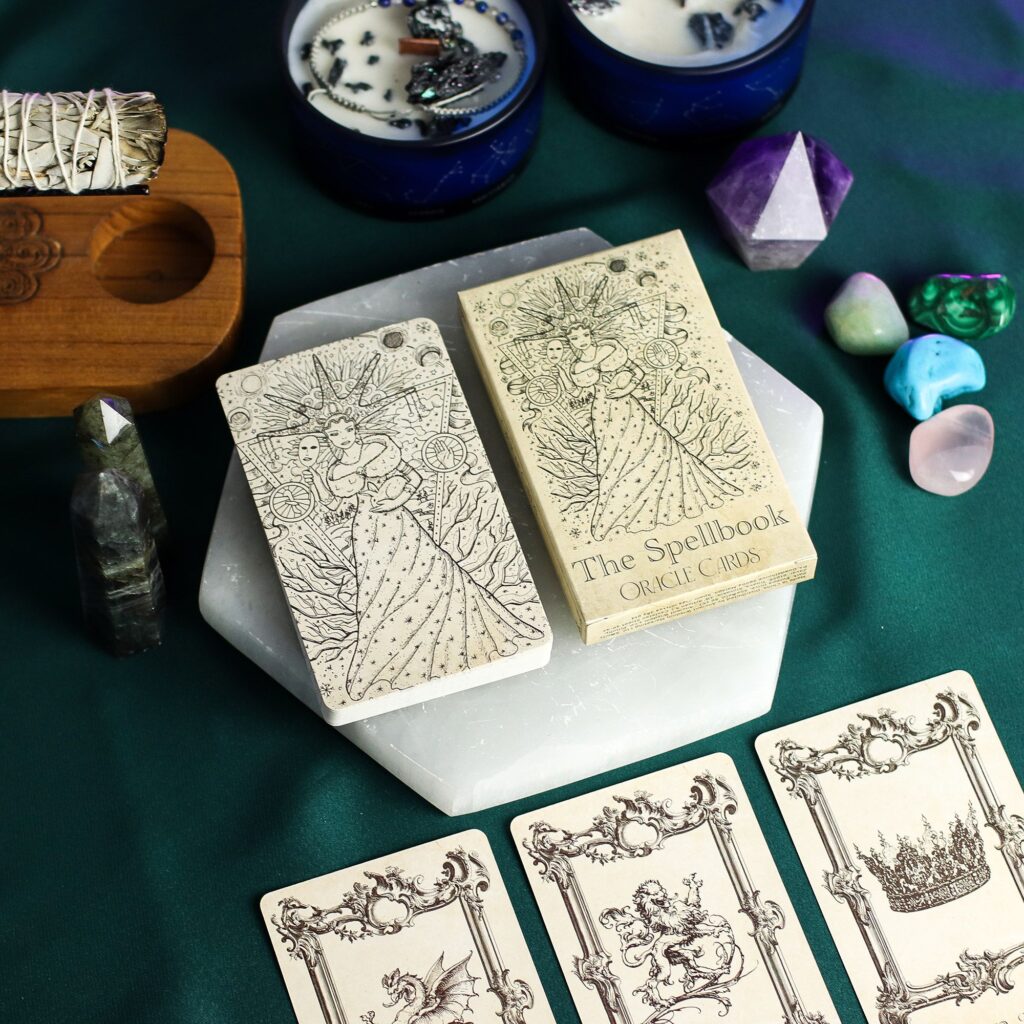
Card reading has carried different names across generations. Today, people often search for tarot readers, psychics or intuitive advisers. Alongside face-to-face sessions, readings can take place by telephone or private online chat.
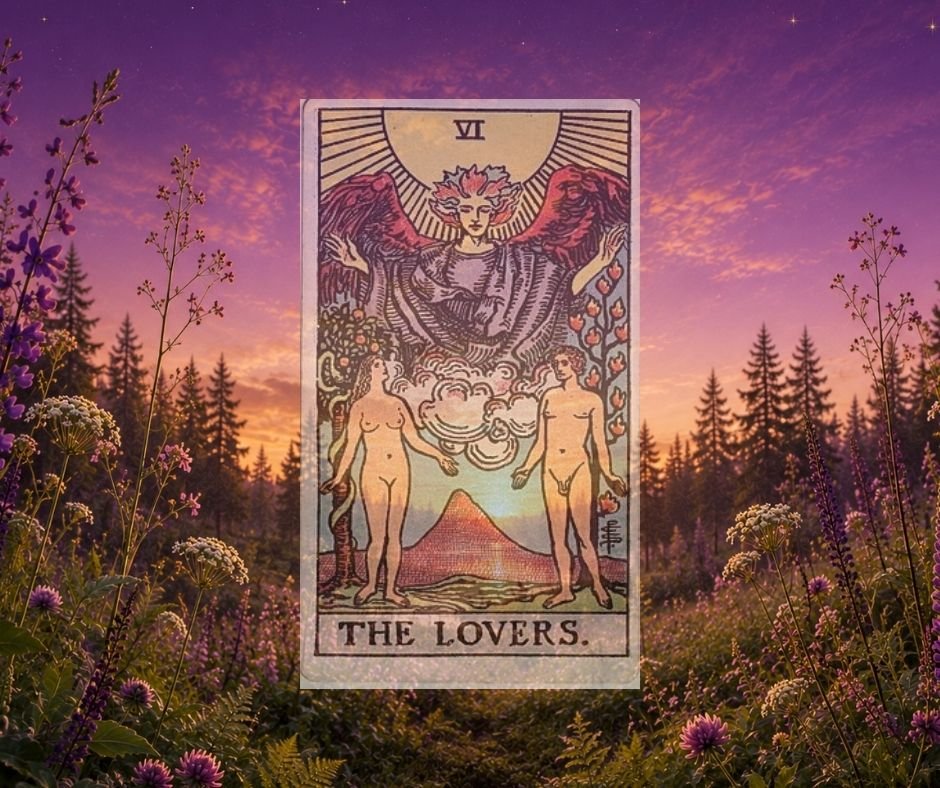
Tarot is a symbolic card system used to explore themes such as relationships, choices and change. A reading cannot verify another person’s secret thoughts or guarantee a future event. Its value may lie in helping someone view a question differently. Explore tarot card meanings and our complete guide to divination.
What can you ask a tarot reader about relationships?
The story of Tiina, Margus and Mari shows that love is shaped by more than emotion: courage, choices and social expectations matter too. If your own circumstances feel uncertain, consider questions such as:
- Why do I feel torn between other people’s approval and my own needs?
- Which relationship pattern am I repeating?
- What do I need to discuss openly with my partner?
- Which boundaries would help me feel secure?
- What would be a thoughtful next step?
Related reading: Does our relationship have a future?
How does divination work today?
Kuutaro offers personal tarot guidance in different formats. If you prefer to write, explore the 10-minute private live tarot chat. For a spoken consultation, see the guide to Kuutaro’s tarot phone line. Check pricing, availability and service terms before booking or purchasing.
A useful reading need not claim that your destiny is fixed. It can help you frame a question, consider your options and decide what matters next.
Frequently asked questions
Was Tiina in The Werewolf a witch?
Tiina is accused of witchcraft and being a werewolf, but the play does not establish that she possesses supernatural powers.
Is fortune teller Tiina the same as Kitzberg’s Tiina?
No. Kitzberg’s Tiina is fictional. A real fortune teller may share the name, but the two should not be confused.
Were witches and diviners the same in Estonian folklore?
Not always. The roles sometimes overlapped, but the words could describe different practices or social judgments.
Can tarot predict love?
Tarot traditions use cards to reflect on relationships and possible developments. Direct communication is still needed to understand another person’s intentions.
Why Tiina’s story still matters
Libahunt is more than a tale about witchcraft: it is about a person who is not accepted for who she is. Tiina’s story invites a modern question: how much do we let other people’s expectations direct our choices? If you would like to reflect on a relationship or decision, explore Kuutaro’s private live tarot chat and how online tarot guidance works.