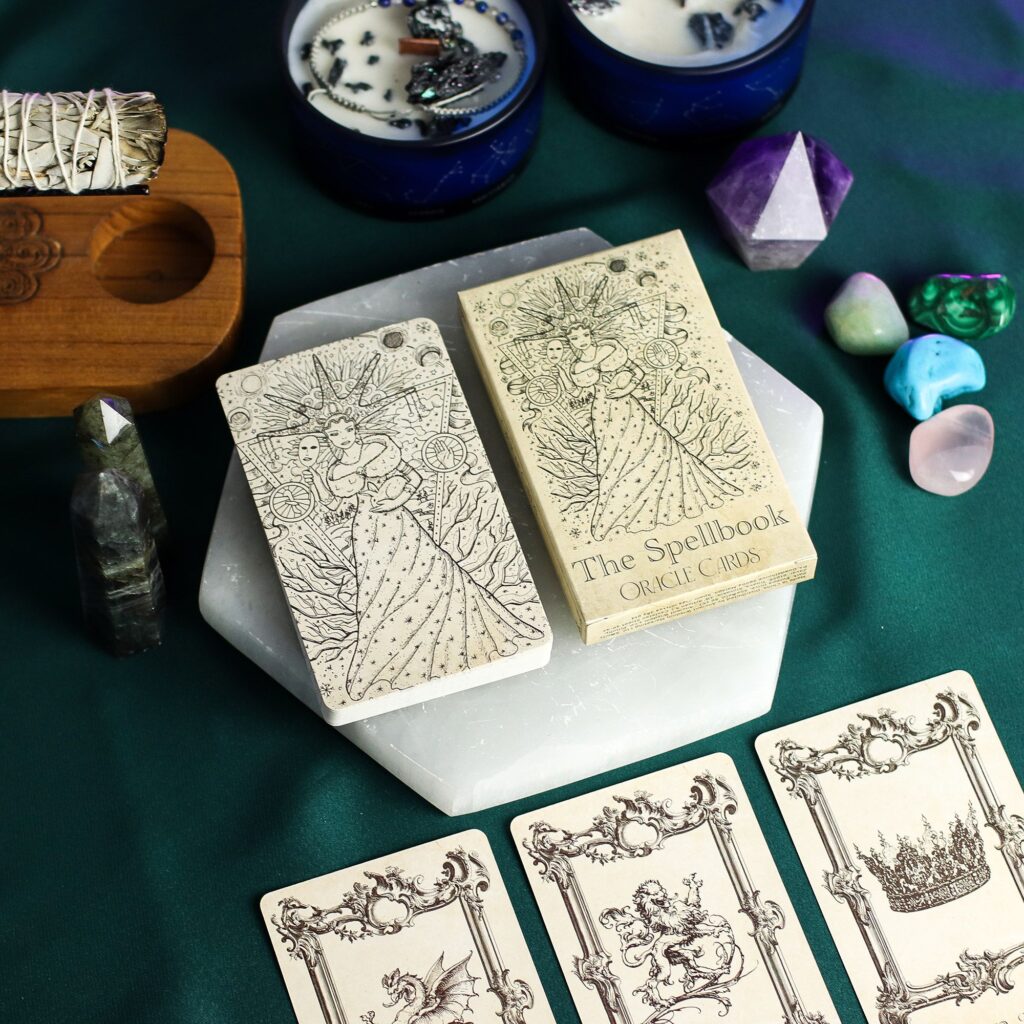
Divination is the interpretation of cards, symbols or signs to explore questions about the future, relationships, work and life choices. Today, many people seek a reading not just to ask “What will happen?” but also “What can I do next?” This guide explores popular divination methods, tarot readings, free versus personal readings, and ways to choose a suitable service.
What is divination?
Divination is an umbrella term covering tarot and other card readings, astrology, runes, numerology and dream interpretation. These traditions use different symbolic systems to explore meaning and possible directions. A reading does not make the future fixed: relationships, careers and personal circumstances change as people make choices.
Popular types of divination
1. Tarot card readings
A standard tarot deck has 78 cards. The Major Arcana addresses larger life themes, while the Minor Arcana explores everyday experiences, relationships and decisions. Tarot provides a symbolic language for approaching a question from different angles. Start with our guide to tarot cards and beginner’s guide to learning tarot.
2. Playing cards and oracle decks
Readers may also use ordinary playing cards, oracle cards and other symbolic decks. Their interpretations are not interchangeable, so ask which system your reader uses.
3. Astrology and horoscopes
Astrology interprets the traditional meanings of planetary positions. A daily horoscope is general, whereas a natal chart uses birth information. Read about the origins of horoscopes.
4. Runes, numerology and dreams
Runes use symbolic characters, numerology assigns meaning to numbers, and dream interpretation explores imagery and its personal associations. See our dream meaning guide.
Love and relationship readings
Relationships are a common reason to seek divination. People ask whether a partner has feelings, why communication stopped, whether an ex will return or whether a relationship has a future. A tarot reading can explore symbolic themes, but it cannot establish another person’s private thoughts as fact.
If you are asking whether your relationship has a future, also consider which needs are unmet, what you have agreed together and what would need to change in practice. Our article on repeating relationship patterns may help you reflect.
Are free online readings the same as personal readings?
Free daily tarot cards, automated card draws and general horoscopes can introduce you to the symbols. They do not necessarily account for the details of your circumstances. A personal reading allows a reader to ask follow-up questions and interpret cards in the context you describe. Neither approach guarantees an outcome.
Tarot readings by phone
A phone reading suits someone who prefers to explain their situation aloud and ask follow-up questions immediately. Kuutaro offers tarot-based telephone guidance. Check the current price per minute, operating hours and calling restrictions before using a premium-rate service. Read how Kuutaro’s tarot phone line works. The Estonian premium-rate number is 900 7776 at €3 per minute; access may depend on your telephone provider and location.
Online tarot: live chat or a written reading?
If calling is inconvenient, consider a written service. A live chat lets you clarify questions as you go, while an emailed reading can be reviewed at your own pace. Kuutaro’s 10-minute private live tarot chat costs €15. Check availability and terms before purchasing. Learn more in our guide to private online tarot readings.
10 useful questions to ask a tarot reader
- What should I pay attention to in my current relationship?
- Which recurring pattern is holding me back?
- How can I improve communication with my partner?
- Which career options might I be overlooking?
- What strengths can support a fresh start?
- What should I consider before an important decision?
- How can I maintain clearer boundaries?
- Which fear is delaying my decision?
- What could bring more balance to the coming months?
- What would be a realistic next step?
Questions need not be complicated. Explore what to ask tarot cards for more ideas.
How to choose a trustworthy reader
- Transparent pricing: know the session fee or per-minute rate before starting.
- Clear service description: distinguish phone, live chat and delayed written readings.
- Privacy: share only the personal information needed to discuss your question.
- No fear-based pressure: avoid threats involving curses, disasters or demands for repeated payments.
- Your choice matters: a reader can help you explore possibilities, not make your decisions for you.
Frequently asked questions
Can divination predict the future precisely?
Divination traditions interpret possible directions. No outcome can be guaranteed because circumstances and choices change.
Are tarot and divination the same thing?
No. Tarot is one form of divination and reflection; many other symbolic systems exist.
Do I need my birth time for a tarot reading?
Usually not. Birth details are more relevant when preparing an astrological birth chart.
Can online tarot help with relationship questions?
It can help you reflect and formulate questions, but direct communication is needed to confirm another person’s intentions.
Do I need a long session for one question?
Not necessarily. A short live chat may suit a focused question; a phone conversation may be better for a more complex situation.
Explore Kuutaro’s tarot guidance
For a personal reading, consider Kuutaro’s 10-minute live tarot chat or learn how private online tarot guidance works. If you are in Estonia and prefer to speak, the premium-rate tarot line is 900 7776 (€3/min; check hours). Begin with one question that genuinely matters to you.